Ground Truth


Distractor-free 3D Gaussian Splatting with Hybrid Patch-wise Classification
3D Gaussian Splatting (3DGS) has demonstrated remarkable performance in novel view synthesis and 3D scene reconstruction, but its quality often degrades in real-world environments due to transient distractors, such as moving objects and varying shadows. Existing methods commonly introduce semantic priors from pre-trained vision models either to group pixels into coherent regions or to define perceptual error metrics. However, semantic grouping is often misaligned with the binary static/transient distinction, while perceptual features can be fragile under appearance perturbations introduced during 3DGS optimization. We propose 3DGS-HPC, a framework that addresses these issues by combining two complementary principles: a patch-wise classification strategy that leverages local spatial consistency for robust region-level decisions, and a hybrid classification metric that adaptively integrates photometric and perceptual cues for more reliable separation. Extensive experiments demonstrate the superiority and robustness of our method in mitigating distractors to improve 3DGS-based novel view synthesis.
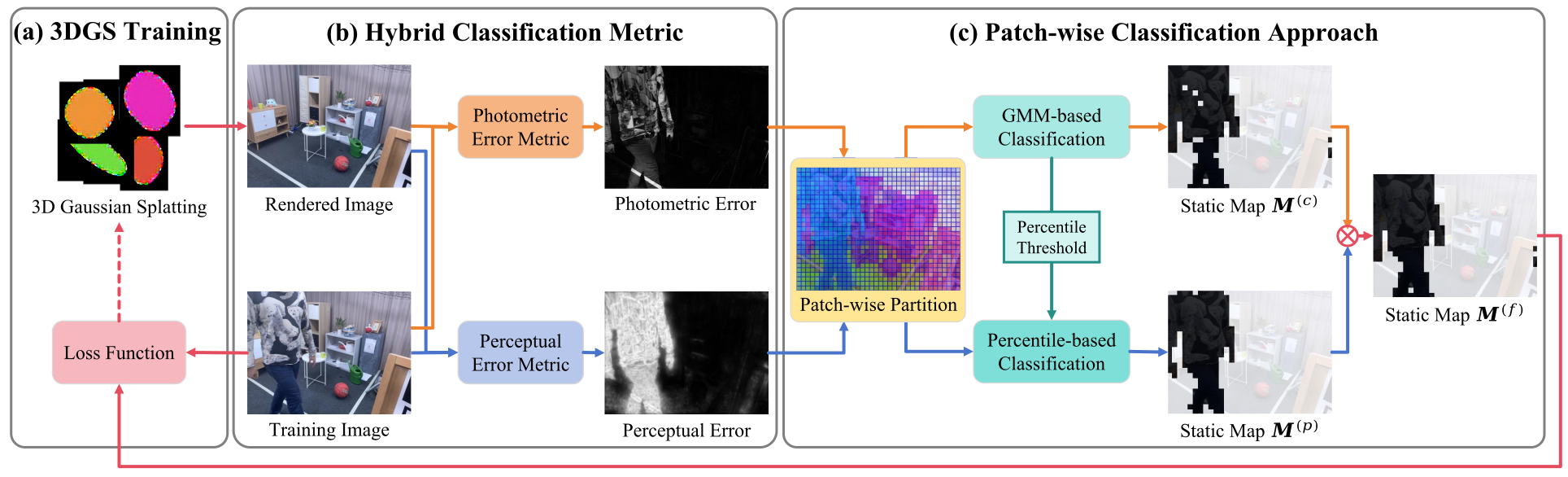
Patch-wise classification. Instead of relying on semantic regions that may not align with the binary static/transient distinction, HPC divides each error map into non-overlapping 16×16 patches and classifies their mean errors. This simple formulation uses local spatial consistency to produce robust region-level decisions while preserving the efficiency of 3DGS optimization.
Hybrid classification metric. HPC fits a two-component one-dimensional Gaussian mixture model to the global patch-wise L1 errors and uses the lower-mean component to estimate the scene-wide static proportion. This proportion calibrates percentile classification of multi-layer DINOv2 perceptual errors. Intersecting the photometric and perceptual classifications produces the final static map, which masks transient regions in the 3DGS reconstruction loss.
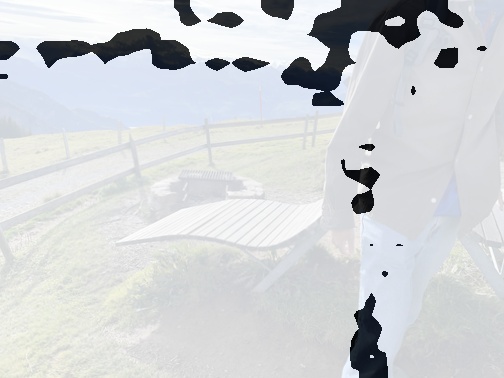
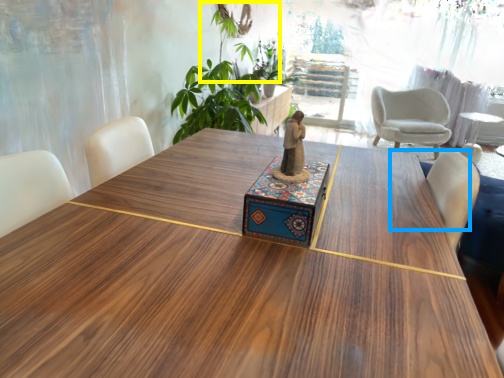
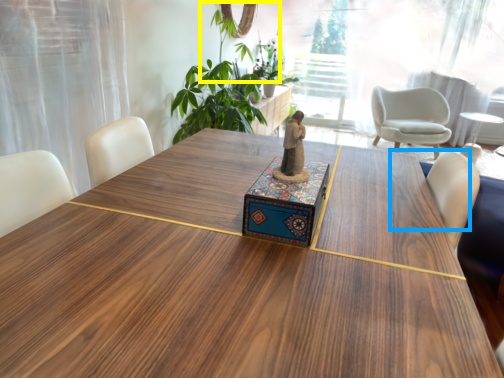
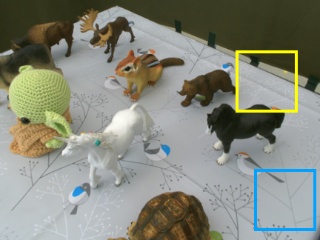
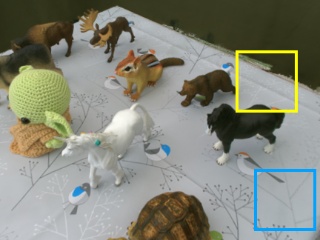
Static-map example. Compared with prior 3DGS-based approaches, HPC more accurately excludes the pedestrian and transient shadow while retaining the static scene.
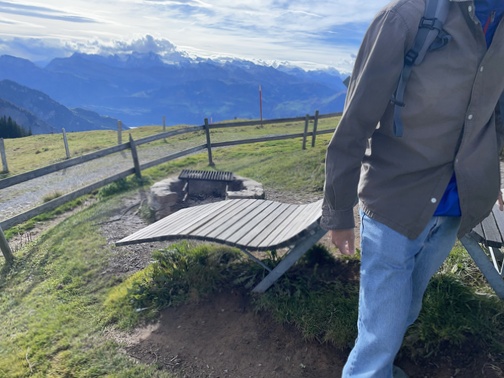
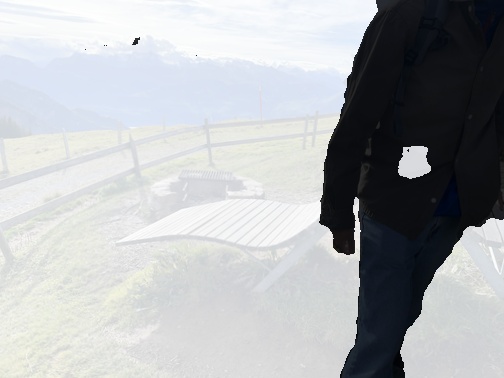
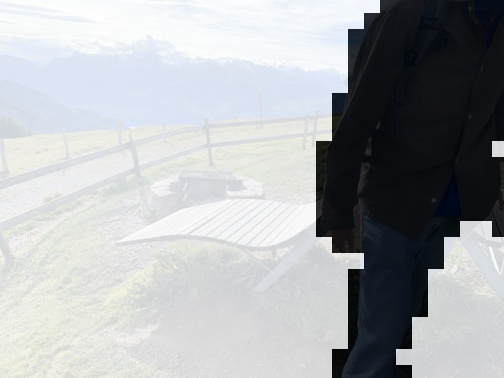
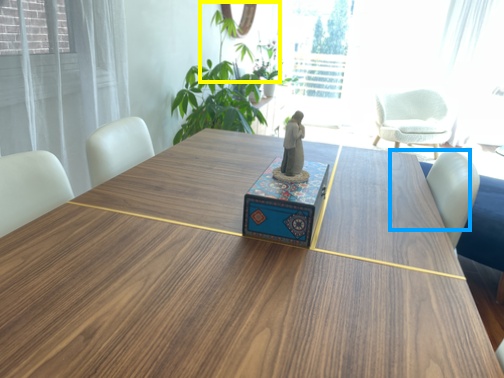
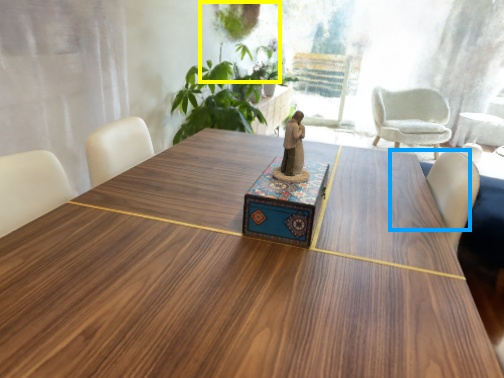
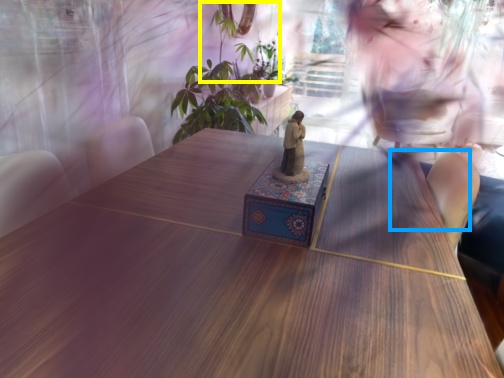
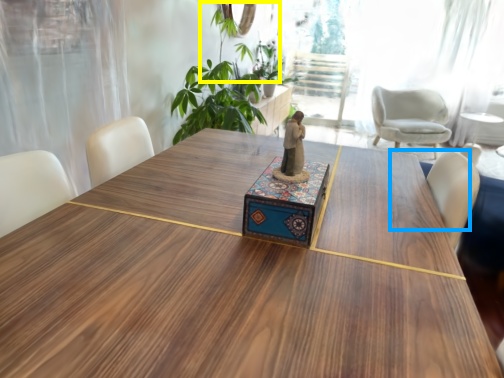
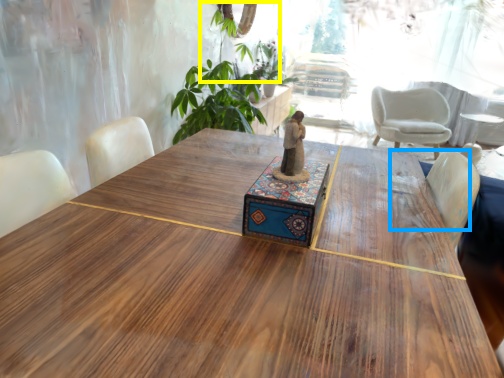
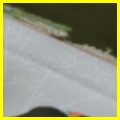
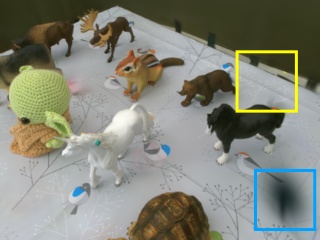
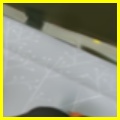
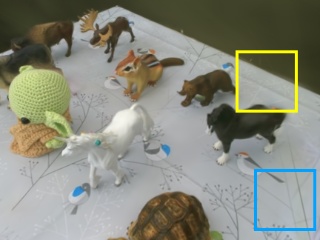
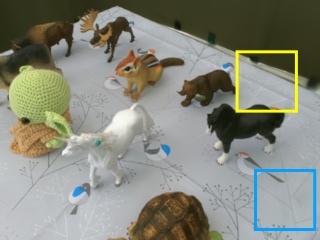
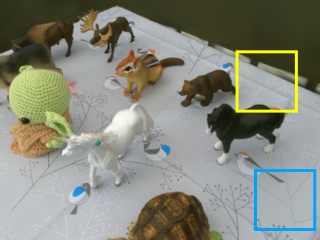
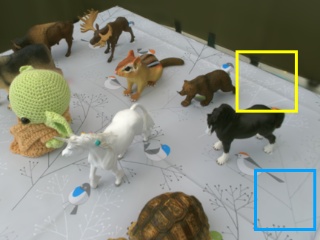
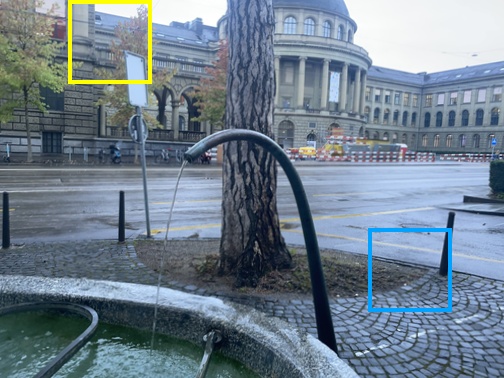
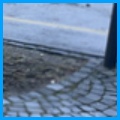
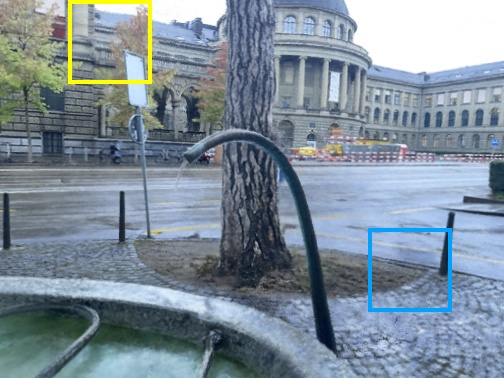
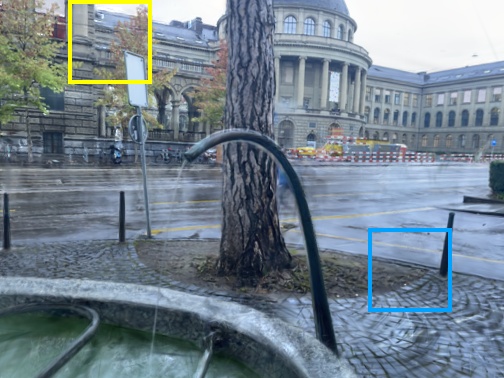
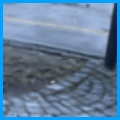
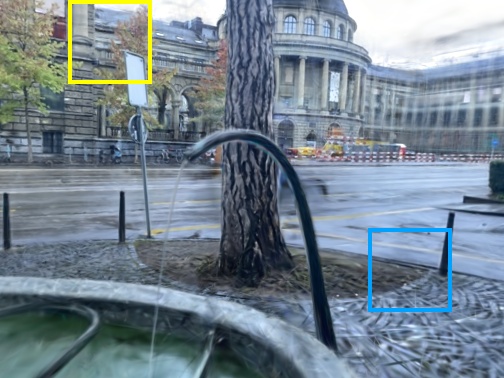
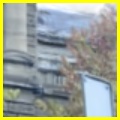
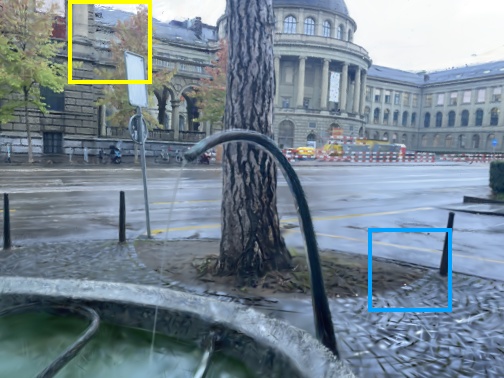
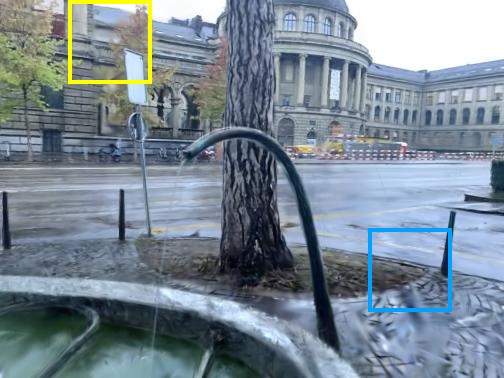
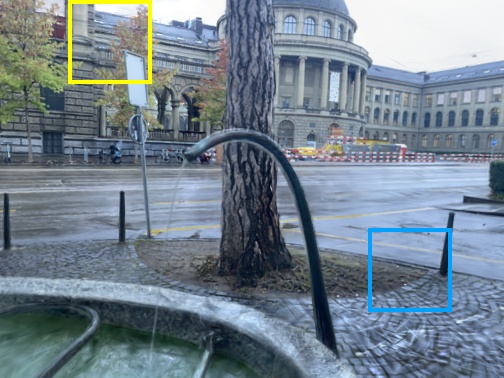
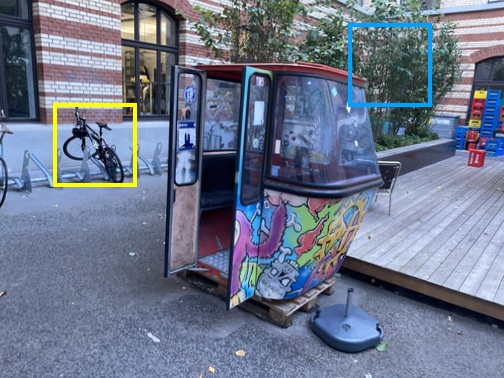
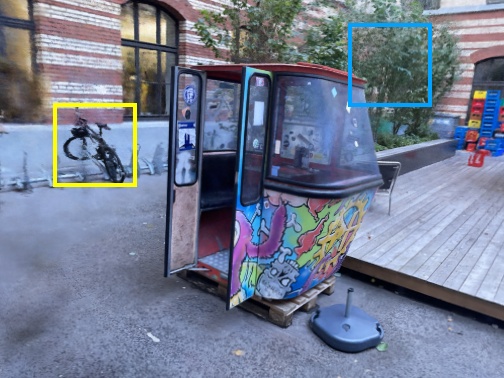
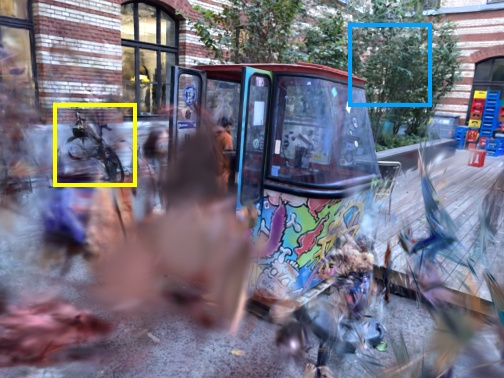
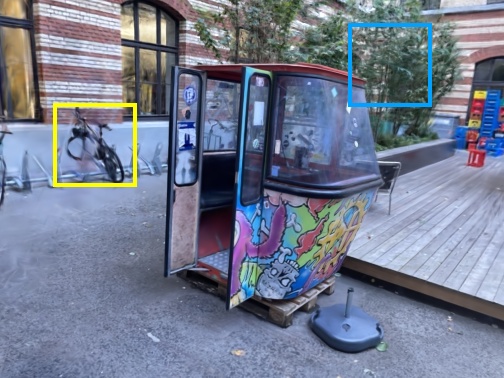
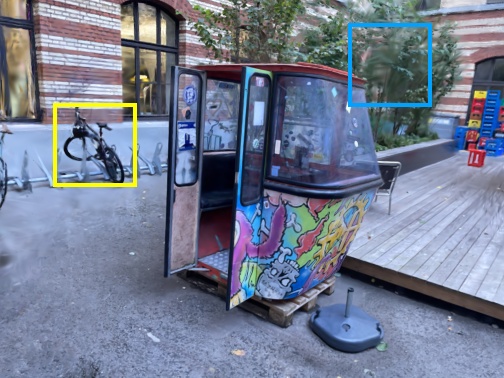
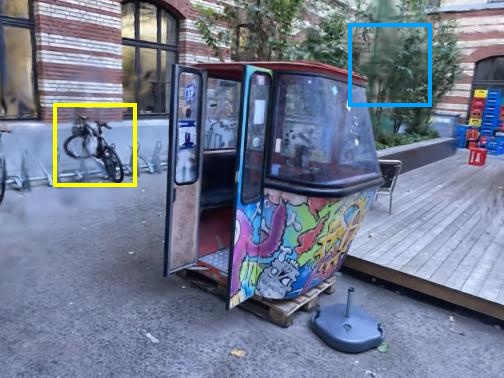
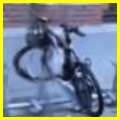
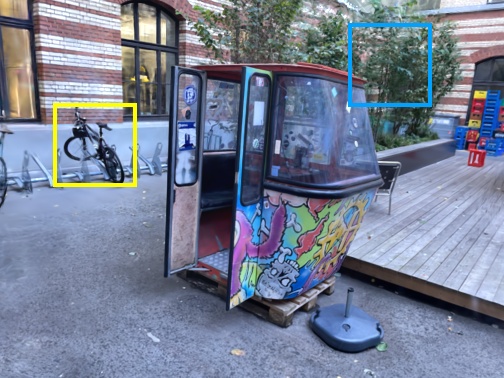
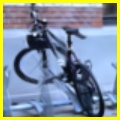
Select a scene to compare distractor-free novel-view renderings. Each method is shown with the full image and two native-resolution crops.























@article{chen20263dgs,
  title   = {3DGS-HPC: Distractor-free 3D Gaussian Splatting with hybrid patch-wise classification},
  author  = {Chen, Jiahao and Qin, Yipeng and Zhao, Ganlong and Li, Xin and Wang, Wenping and Li, Guanbin},
  journal = {arXiv preprint arXiv:2603.07587},
  year    = {2026}
}